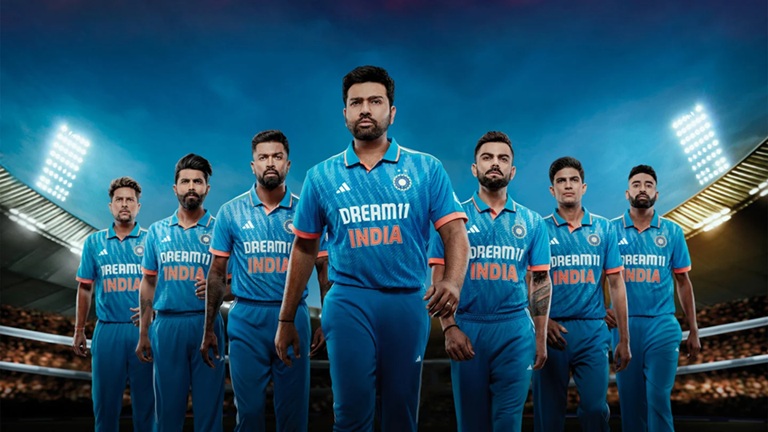

Cricket is a game of skill, strategy, and momentum—but the excitement often starts long before the first ball is bowled. A fixture announcement, rivalry game, tournament opener, or knockout match can become a major talking point when it is promoted well. For clubs, school teams, local leagues, and professional organizations alike, a well-designed match poster can turn a simple schedule update into something supporters actually want to share.
In today’s crowded digital feeds, cricket teams need more than the basic details of a fixture. They need visuals that capture the personality of the team, communicate essential information quickly, and create anticipation. That is where tools such as an AI poster maker can help teams produce polished promotional graphics without requiring advanced design experience.
Why Match Posters Still Matter
Social media has made it incredibly easy to announce a cricket match. A team can post the date, venue, and start time in a few seconds. The challenge is getting people to stop scrolling and pay attention.
A strong poster gives supporters an immediate reason to care.
Imagine two posts announcing the same Sunday league match. The first is a plain text update with the fixture details. The second features the two team logos, a dramatic action photograph, the competition name, a clear date and time, and a simple call to action such as “Be There.”
The information is essentially identical, but the second announcement feels like an event.
That distinction matters. Cricket clubs can use posters to establish the importance of a fixture, reinforce their visual identity, and create a consistent presence across Instagram, Facebook, websites, WhatsApp groups, and digital noticeboards.
Start With the Match, Not the Design
One of the easiest mistakes is to begin designing before deciding what the poster needs to accomplish.
Ask a simple question first: What should the audience know or feel after seeing this poster?
For a league fixture, the priority might be making the date and venue unmistakable. For a derby, the objective may be building rivalry and excitement. For a cup final, the design should communicate the significance of the occasion.
Once the objective is clear, gather the essential information:
- Teams playing
- Competition or tournament
- Match date
- Start time
- Venue
- Ticket or entry information, if applicable
- Streaming details, if available
- Relevant club logos
- Social media handles or website information
Keep the hierarchy simple. The fixture should be immediately recognizable, while secondary information can sit beneath it in smaller text.
Make Team Identity Part of the Poster
A cricket poster should look like it belongs to the team.
That does not mean covering every available space with logos and slogans. Instead, use recognizable elements consistently: club colors, typography, badges, photography, and a familiar visual style.
For example, a community cricket club might use its traditional colors and crest on every fixture graphic. Over time, supporters begin to recognize those posts before they even read the account name.
This consistency is particularly useful during tournaments. If a team publishes several graphics throughout a competition, maintaining the same design language makes the campaign feel organized rather than improvised.
Use Player Photography Carefully
Nothing creates a stronger connection with supporters than seeing the players they know.
A photograph of a batter celebrating a century, a bowler midway through an action shot, or a wicketkeeper appealing can instantly communicate the energy of cricket. But photography needs to support the message rather than compete with it.
Choose images with enough negative space for text where possible. If the player fills the entire frame, placing fixture details over their face or body can make the poster difficult to read.
For a big match, you might feature the team captain prominently. For a local rivalry, showing key players from both sides can make the fixture feel more personal.
Even a relatively simple photograph can become effective when paired with strong typography and clear information.
Design for Mobile Screens First
Most cricket supporters will encounter a match poster on a smartphone.
That should influence every design decision.
Avoid tiny text, overly complicated layouts, and excessive decorative elements. Someone should be able to glance at the graphic for two seconds and understand the essential information.
A useful test is to shrink the design until it resembles a typical social media post on a phone. Can you still read the date? Can you identify the teams? Is the venue obvious?
If not, simplify.
It is usually better to remove one unnecessary visual element than to reduce the size of all the important information.
Create Different Versions From One Campaign
A single match can generate several pieces of content.
Start with a main fixture announcement. A few days later, publish a countdown graphic. On match day, create a “Today We Play” version. After the game, follow up with the result or a player-of-the-match graphic.
The important point is that these graphics should feel connected.
For example, if the original fixture poster uses a particular headline style and photographic treatment, carry those elements into the later posts. Supporters will recognize the campaign immediately.
This approach also saves time. Instead of reinventing the design for every update, the club can develop a repeatable visual system.
Build Posters Around the Cricket Calendar
Teams can get more value from their design efforts by planning around the season.
At the start of a campaign, create templates for:
- Fixture announcements
- Match previews
- Playing XI announcements
- Match-day reminders
- Results
- Player awards
- Tournament progression
- Semi-final and final announcements
A club that plays regularly may have dozens of fixtures in a season. A reusable system means volunteers and social media managers can produce professional-looking content without starting from a blank page every week.
It also creates a more polished impression for potential sponsors.
Give Sponsors Visibility Without Overcrowding
Sponsors are an important part of many cricket clubs, particularly at community and amateur levels. Match posters can provide valuable exposure, but sponsor placement needs to be handled thoughtfully.
A sponsor logo can sit in a designated area rather than competing with the teams, fixture details, or main photograph. If several sponsors are involved, establish a consistent hierarchy so the poster remains readable.
For major matches, clubs can also create dedicated sponsor-focused content rather than attempting to fit every partner onto one graphic.
The goal is simple: give sponsors meaningful visibility while keeping the match itself at the center of the design.
Think Beyond Social Media
A good cricket poster does not have to live only on Instagram.
The same core design can be adapted for a club website, email newsletter, WhatsApp announcement, digital scoreboard, clubhouse display, or printed noticeboard.
That makes a well-organized design system even more valuable. A club can communicate the same message across multiple channels while maintaining a consistent identity.
Just remember that different platforms have different dimensions and viewing contexts. A graphic designed for a phone screen may need adjustments before being printed or displayed on a larger screen.
A Practical Pre-Publication Checklist
Before publishing a match poster, take 30 seconds to check the details.
Fixture: Are both teams named correctly?
Date and time: Is the start time accurate, including AM/PM where relevant?
Venue: Is the ground or stadium clearly identified?
Competition: Is the tournament or league name correct?
Branding: Are the club logos and colors accurate?
Readability: Can someone understand the key information instantly?
Photography: Do you have permission to use the image?
Links and calls to action: If supporters need tickets, directions, or streaming information, is the next step clear?
A typo in a fixture graphic may seem minor, but incorrect match information can create unnecessary confusion—especially when supporters are traveling to attend.
The Bigger Picture: Turn Fixtures Into Events
The best cricket clubs understand that promotion is not simply about announcing when a game takes place. It is about giving supporters a reason to care.
A thoughtfully designed poster can make a routine league fixture feel important. Combine that visual with a short player quote, a match preview, a countdown, or a behind-the-scenes photograph, and the club begins telling a story around the game.
That is where effective cricket communication really comes alive. The poster is not the entire campaign; it is the visual doorway into the match.
Conclusion
Cricket teams have plenty of opportunities to build anticipation before a ball is bowled. With clear information, strong team identity, compelling photography, and a consistent visual approach, match posters can become a powerful part of that process.
Whether the fixture is a local weekend game or a season-defining final, the goal remains the same: make the match feel worth watching, attending, and talking about. A little thoughtful preparation can turn an ordinary fixture announcement into a moment supporters remember.